Many Filipinos are turning to solar energy as a reliable but cost-effective solution as a result of growing environmental concerns and rising electricity costs. With its year-round abundance of sunshine, the Philippines is a perfect place to use solar energy. Investing in solar energy is a wise choice whether your goals are to lower your electricity costs, become energy independent, or help the environment.
Why Invest in Solar Energy in the Philippines?
1. High Electricity Costs
In Southeast Asia, the Philippines has some of the highest electricity prices. Households and businesses can drastically lower their monthly bills by making the switch to solar.
2. Government Incentives
The Philippine government supports renewable energy through policies like the Renewable Energy Act of 2008, which offers tax breaks, net metering, and other incentives for solar adopters.
3. Energy Independence
Solar power allows homeowners and businesses to generate their own electricity, reducing dependence on the grid and protecting against power outages.
4. Environmental Benefits
Clean and renewable, solar energy contributes to the fight against climate change by lowering carbon emissions.
Ways to Invest in Solar Energy in the Philippines
1. Installing Home Solar Panels
Installing solar panels at home is one of the most popular ways to make an investment in solar energy. These systems may be:
On-grid – Connected to the utility grid, allowing you to sell excess power back through net metering.
Off-grid – Perfect for isolated locations with unstable electricity supplies, this device is not connected to the grid.
Hybrid – Combines solar panels with battery storage for backup power.
Solar Panel Philippines Price
The cost of solar panels in the Philippines varies depending on system size and brand. On average:
3kW system: ₱150,000 – ₱200,000
5kW system: ₱250,000 – ₱350,000
10kW system: ₱500,000 – ₱700,000
These prices include panels, inverters, mounting structures, and installation.
Solar Energy Home Cost: Is It Worth It?
Despite their initial high cost, solar panels usually pay for themselves in five to seven years by saving electricity. With a lifespan of more than 25 years, the advantages over time are significant.
2. Using Solar Aircon in the Philippines
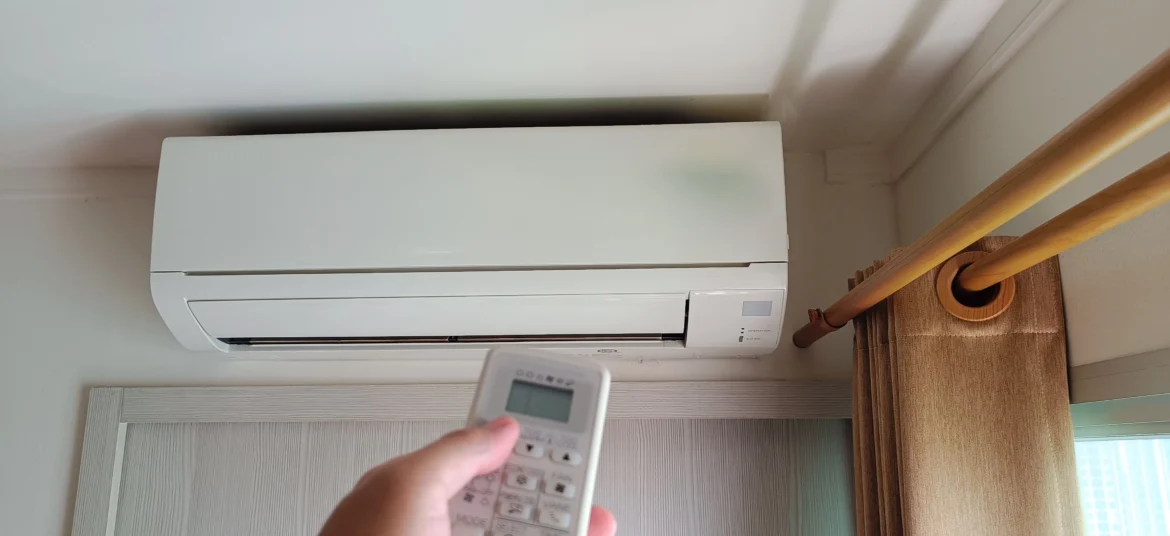
One of the largest energy users in Filipino homes is air conditioning. Electricity costs can be significantly reduced with a solar air conditioning system in the Philippines.
How Does Solar Aircon Work?
Solar Hybrid Aircon – Uses both solar power and grid electricity, reducing energy consumption by up to 50%.
Full Solar-Powered Aircon – Runs entirely on solar energy with battery backup.
Cost of Solar Aircon in the Philippines
1.5HP Solar Hybrid Aircon: ₱60,000 – ₱100,000
2HP Solar Hybrid Aircon: ₱80,000 – ₱120,000
Though more expensive than conventional ACs, solar air conditioners lead to significant savings over time.
3. Solar Water Heaters
Another great investment is a solar water heater, which uses sunlight to heat water instead of electricity or gas.
Benefits:
Reduces water heating costs by up to 70%.
Low maintenance and long lifespan.
Price Range:
Residential solar water heater: ₱20,000 – ₱50,000
4. Solar-Powered Lighting
Solar-powered LED lights are a great choice for homes and businesses on a budget.
Benefits:
No wiring needed.
Ideal for gardens, pathways, and security lighting.
Price Range:
Solar street lights: ₱5,000 – ₱15,000
Solar garden lights: ₱500 – ₱2,000 per piece
5. Investing in a Solar Energy Company
If you want to make a bigger investment, think about investing in or collaborating with a Philippine solar energy company. Numerous businesses provide:
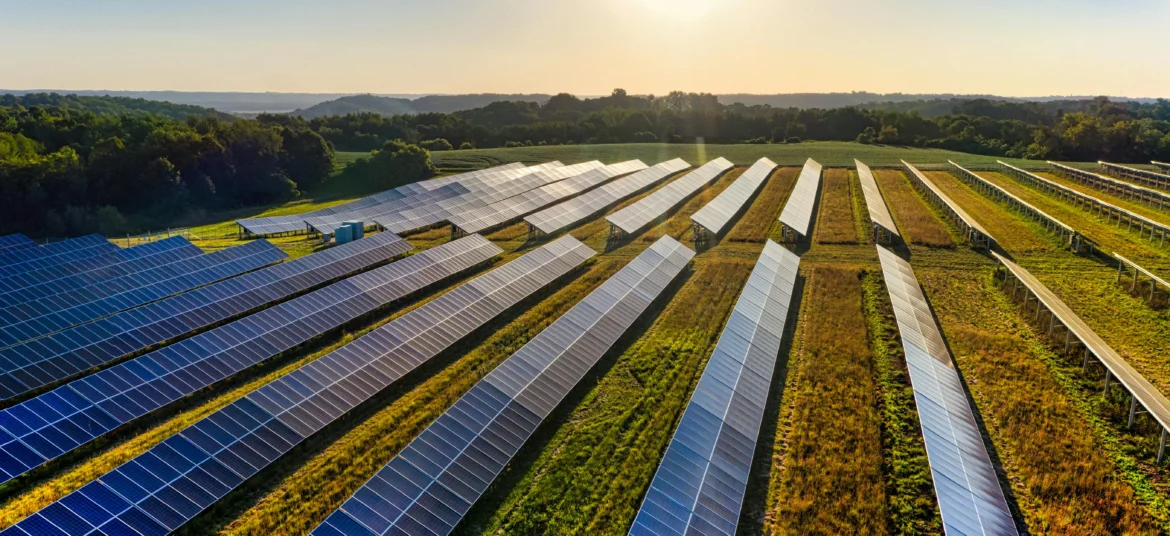
Solar farm developments
Commercial solar installations
Solar leasing programs
This can be a profitable venture, especially with the growing demand for renewable energy.
Choosing the Right Solar Energy Provider
Choosing a trustworthy solar energy provider like Alfatech Solar Philippines is essential when making an investment in solar. What to look for is as follows:
1. Experience and Reputation
Choose a company with a proven track record in solar installations. Check reviews and ask for references.
2. Quality of Equipment
Make sure they utilize dependable inverters (such as those made by Huawei, SolarEdge, and Growatt) and Tier-1 solar panels.
3. Warranty and After-Sales Service
A good provider should offer:
25-year panel warranty
5-10-year inverter warranty
Free maintenance checks
4. Financing Options
Some companies offer solar financing plans (installment payments, bank loans, or solar leasing) to make solar more affordable.
How to Maximize Your Solar Investment
1. Optimize Energy Usage
Use high-energy appliances (aircon, washing machines) during daylight hours.
Switch to energy-efficient LED lights.
2. Monitor Your System
Use solar monitoring apps to track energy production and consumption.
3. Take Advantage of Net Metering
With net metering, you can receive credits for surplus energy that is returned to the grid if you’re on an on-grid system.
4. Regular Maintenance
Clean solar panels every 6 months to maintain efficiency.
Check wiring and connections annually.
Ready to Go Solar?
Getting quotes from reliable suppliers is the first step if you’re thinking about installing solar panels in your home. Examine financing options and solar energy home cost options to determine which one best suits your needs.
Invest in solar today—and power your home sustainably for decades to come!