With the recent spikes in electricity rates—over ₱2.00/kWh in early 2026 due to market shifts—Davaoeños face a tough choice. Should you pick the budget-friendly Grid-Tied system or invest in the freedom of a Hybrid Solar System?
This guide explores Davao City’s energy landscape. It compares ROI, reliability, and the cost of solar panels in the Philippines. This will help you choose the best setup for your home or business.
The Current State of Davao’s Power Grid (2026)
Mindanao has usually enjoyed a power surplus, but Davao faces a different challenge. Davao Light and Power Company (DLPC) has made significant efforts to upgrade infrastructure. But “isolated disturbances,” often from tropical storms or local equipment problems, can still cause annoying brownouts.
For a business in Lanang IT Park or a family in Buhangin, a two-hour outage is more than an inconvenience. It means lost productivity and comfort. Also, with residential rates at ₱11.72/kWh, monthly bills are higher than ever.
1. Grid-Tied Solar
- A Grid-Tied system is the most common solar panel installation Davao homeowners choose.
The Pros:
Lowest Initial Cost: With no expensive batteries needed, the cost of solar panels in the Philippines for grid-tied systems is quite low. A standard 5kW system now costs between ₱250,000 and ₱320,000.
Net Metering Program, you earn credits for the electricity you export. Most Davao homeowners see a full return on investment within 3 to 5 years.
Minimal Maintenance: There are fewer moving parts and no batteries to check. Just clean the dust off your panels every three months.
The Disadvantage:
If the grid goes down, your solar goes down. Grid-tied inverters shut off during a brownout for safety. This helps prevent “islanding,” which can hurt utility workers fixing the lines. If your primary goal is backup power during a Davao storm, a grid-tied system will leave you in the dark.
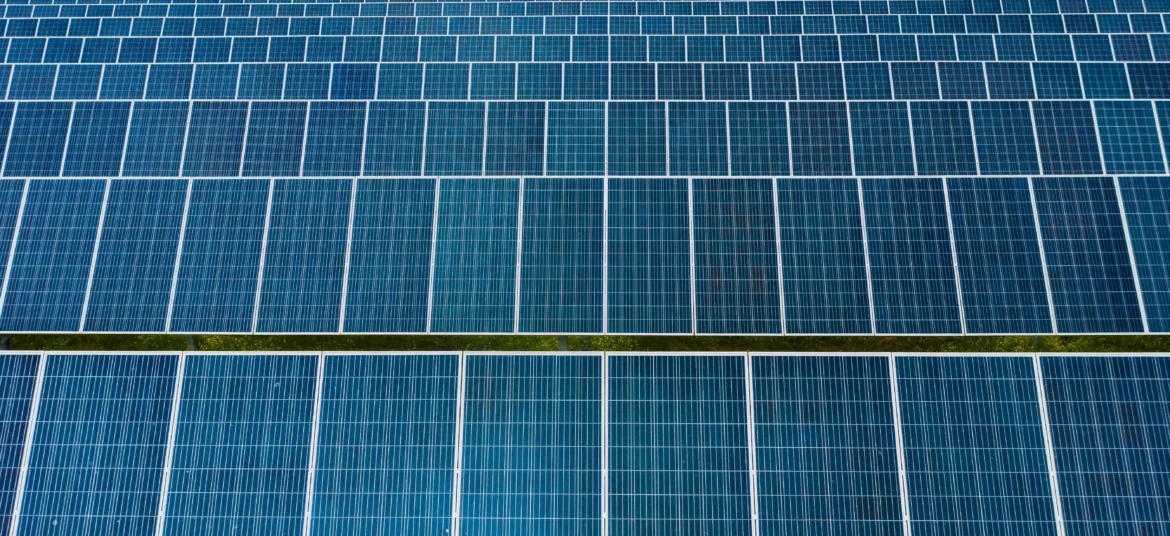
2. Hybrid Solar Systems: The Resilience King
A Hybrid Solar System is the top choice for the 2026 energy landscape. It blends the money-saving perks of a grid-tied system with the reliability of lithium-ion battery storage.
The Pros:
Energy Security: When a brownout hits, your lights stay on. The system quickly shifts to battery mode. It powers your “critical loads,” like lights, Wi-Fi, the refrigerator, and some air conditioning units.
Smart Energy Management: In 2026, smart hybrid inverters allow you to “load shift.” You can store solar energy during the day. Then, use it in the evening when electricity costs more. This helps you save even more.
Future-Proofing: As Davao grows, pressure on the grid will rise. A hybrid system lets you be a “prosumer,” independent of market changes.
The Financial Reality:
High-quality lithium batteries, such as popular LiFePO4 models, raise the initial investment significantly. A 5kW Hybrid system in Davao can cost between ₱450,000 and ₱650,000, depending on the battery capacity.
Why Alfatech Solar Philippines is a Trusted Choice
In the solar industry, the real work starts after sunset on the first installation day. At Alfatech Solar Philippines, we pride ourselves on a “Client-First” after-sales model:
Real-Time Monitoring: We give each client a mobile dashboard to track their daily “harvest.” Our tech team also monitors your system from afar. If production drops, we often find a solution before you notice.
Comprehensive Warranty Management: If a panel or inverter fails after three or five years, you will not need to call a manufacturer in China. Alfatech handles the entire RMA (Return Merchandise Authorization) process locally.
Rapid On-Site Response: We know that every hour of downtime costs you profit or comfort. As a local leader, Alfatech promises a technician on-site as soon as possible for urgent system failures. This way, your home or business stays powered.
Ready to Go Solar?
Getting quotes from reliable suppliers is the first step if you’re thinking about installing solar panels in your home. Examine financing options and solar energy home cost options to determine which one best suits your needs.
Invest in solar today—and power your home sustainably for decades to come!