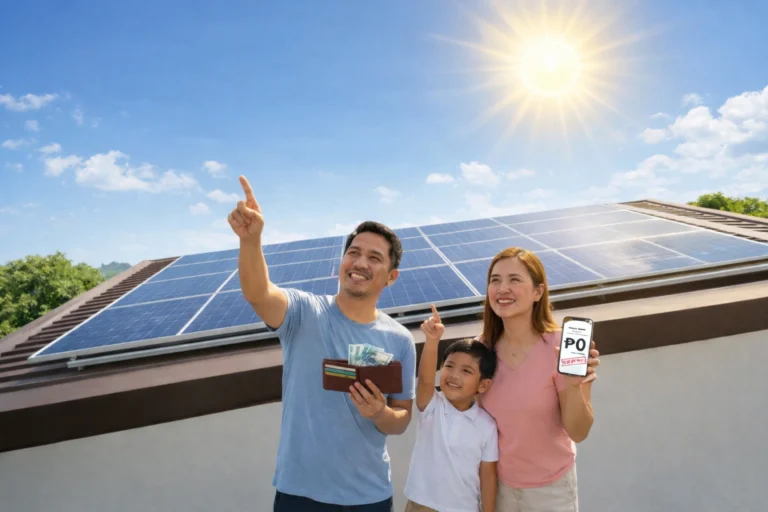
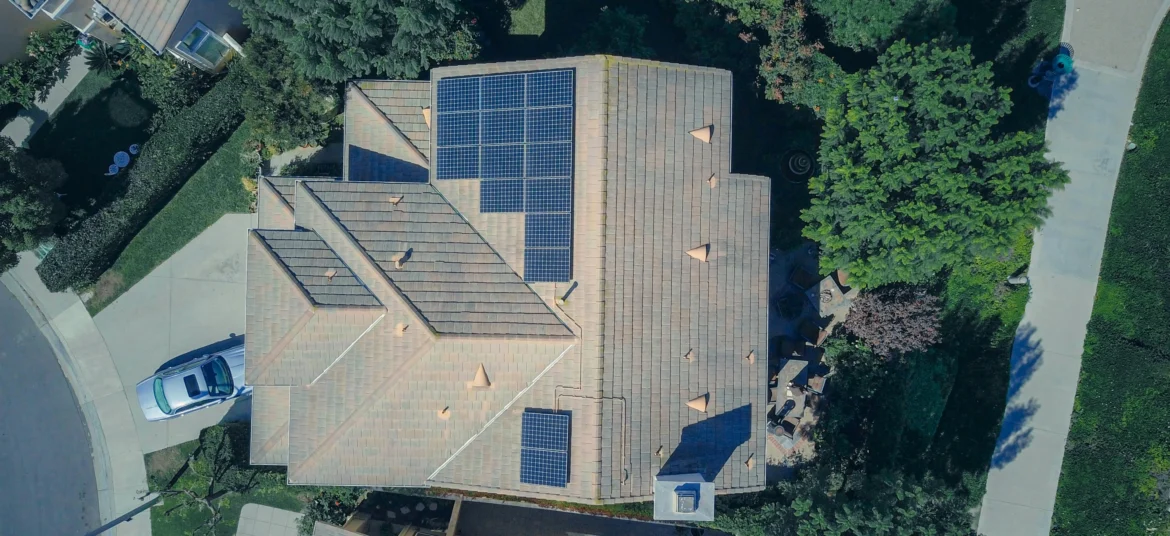
Air conditioning is essential in the Philippines because of the tropical climate. But it also leads to high electricity bills. Many businesses and homeowners want to cut their energy use. They are looking for sustainable ways to do this because energy costs are rising. Combining solar energy with air conditioners is one of the best ways to solve the problem.
Why Solar-Powered Air Conditioning Is Ideal for the Philippines
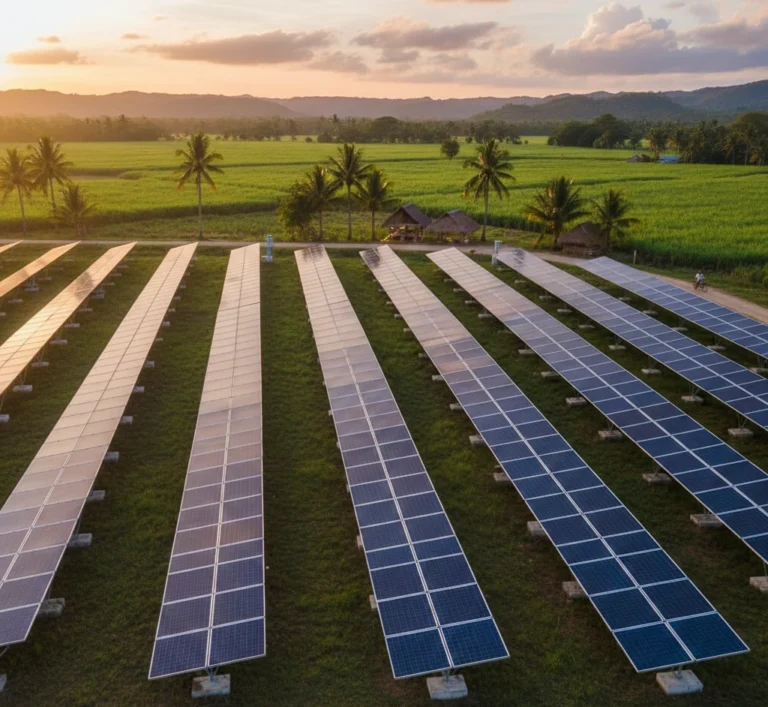
The Philippines is great for solar energy systems. It enjoys abundant sunlight all year round. Traditional air conditioners use a lot of electricity, especially during peak hours.
By switching to an AC with solar power, homeowners can:
Reduce electricity bills by up to 50%–70%.
Lower the carbon footprint by using clean energy.
Achieve energy independence from an unstable grid power supply.
Increase property value with a sustainable energy solution.
How does solar-powered air conditioning work?
A typical setup for a solar AC unit consists of:
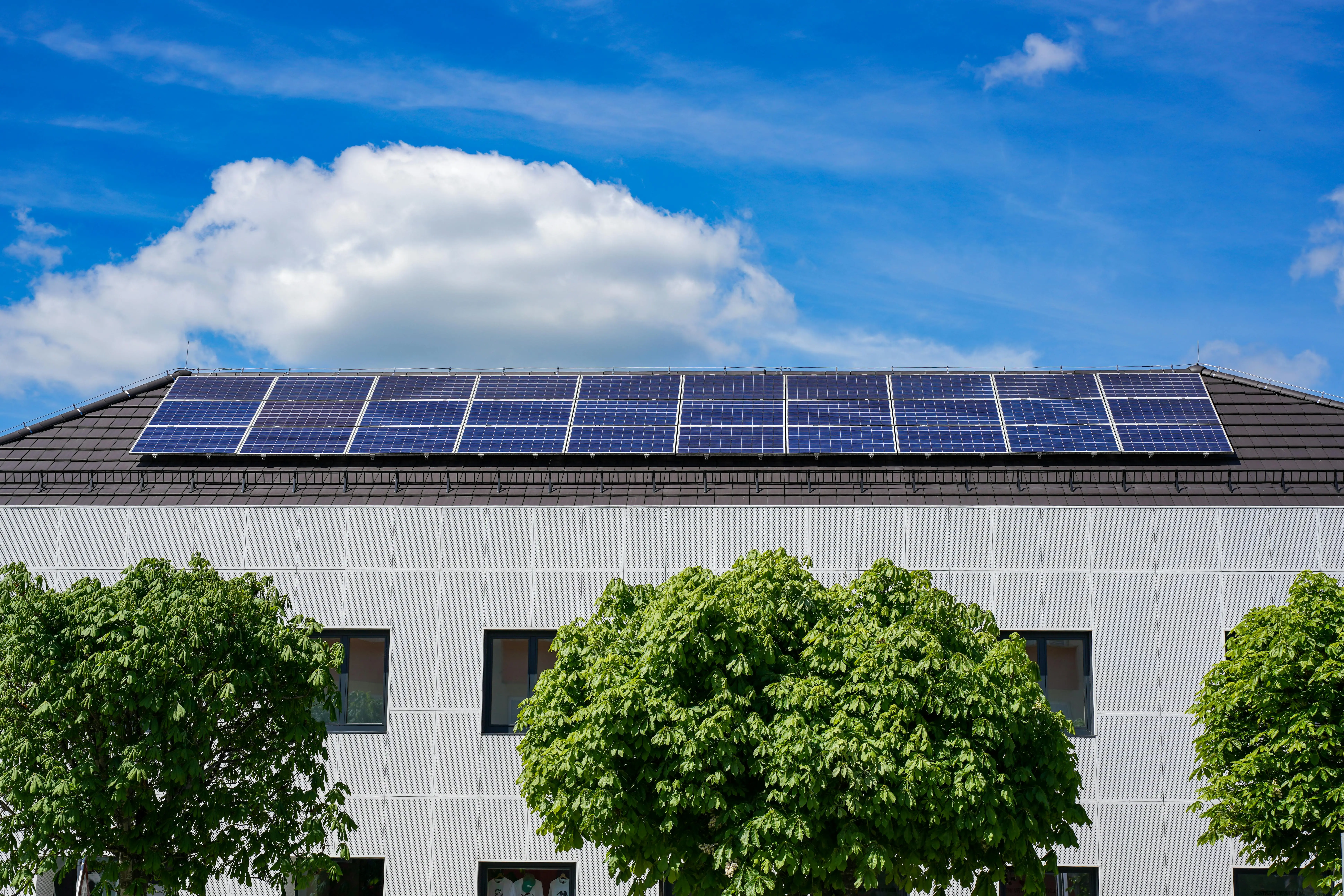
Solar panels are installed on rooftops to convert sunlight into electricity.
Inverter – Converts DC power from solar panels into AC power for home use.
Battery Storage (Optional) – Stores excess energy for use at night or during cloudy days.
Hybrid Solar Aircon System – This system connects to solar power. It lowers dependence on the grid.
There are two main types of solar-powered air conditioning:
Direct Solar-Powered AC – Uses only solar energy. It needs a large solar panel system.
Hybrid Solar AC – Combines solar power with grid electricity for greater flexibility.
For most homes, using a solar-powered split AC in hybrid mode is best. It provides steady cooling, even when solar energy is low.
Benefits of Solar-Powered Air Conditioning
1. Significant reduction in electricity bills.
In the Philippines, over half of household electricity goes to air conditioning. Homeowners can cut their air-conditioning bills by using solar panels. This can lead to big savings. On sunny days, some homes can reduce cooling costs to almost zero. This depends on the size of their system.
2. Sustainable Cooling Solutions
Conventional air conditioners add to greenhouse gas emissions. They rely on electricity made from fossil fuels. Solar-powered air conditioners use clean, renewable energy. They reduce carbon footprints and help fight climate change.
3. Energy Independence & Reliability
Power outages are common in the Philippines, especially during storms. A solar-powered AC with battery backup ensures continuous cooling even during blackouts.
4. Long-Term Savings & ROI
A solar air conditioner in the Philippines might have a higher initial cost. But, the savings over time make it a smart choice. Most solar air conditioning systems pay off in three to five years. They save on electricity costs.
5. Government Incentives & Net Metering
The Philippine government supports solar energy adoption through:
Net Metering – You can feed excess solar energy back into the grid for credits.
Tax incentives—some solar installations qualify for tax exemptions.
These incentives make switching to solar for AC unit systems more affordable.
Types of Solar Air Conditioning Systems Available in the Philippines
1. Solar Hybrid Split AC
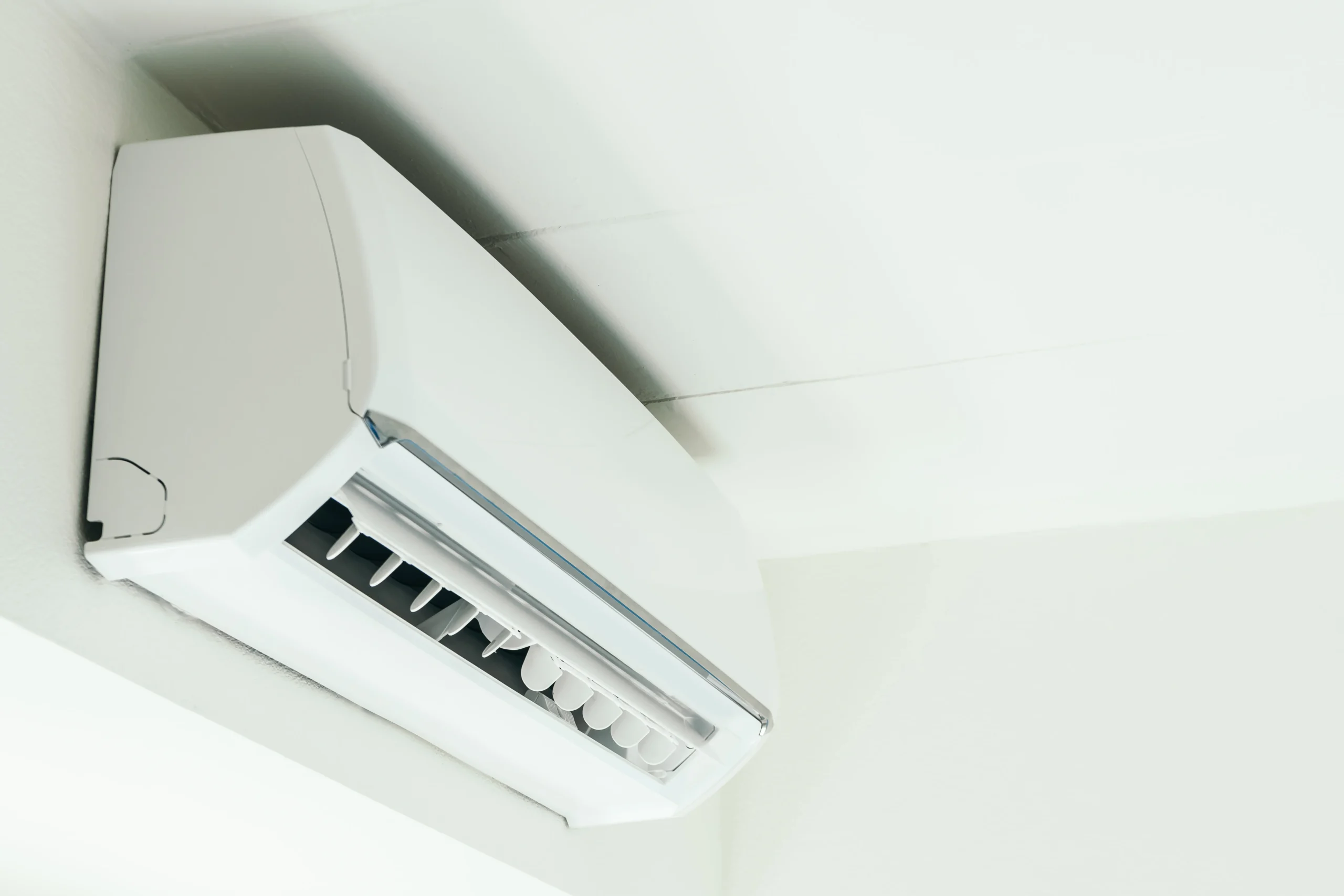
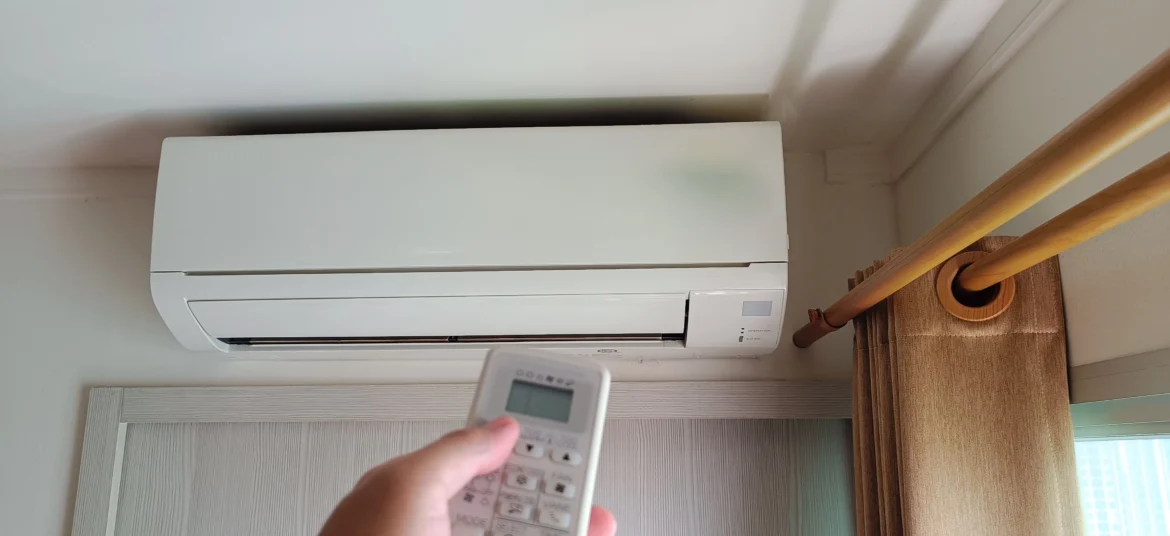
A solar power split AC connects to both solar panels and the grid. It uses solar energy first and switches to grid power only when necessary. This is the most cost-effective option for residential use.
2. Off-Grid Solar AC with Battery Storage
To be energy independent, an off-grid system saves extra solar power in batteries. They use this stored power at night. This is ideal for remote areas with unreliable grid power.
3. DC Solar Air Conditioners
These units use DC power from solar panels. This means there’s no energy loss from conversion. They are efficient, but they must have a specialized setup.
How many solar panels does it take to power an air conditioner?
AC Unit Capacity (1 HP, 1.5 HP, 2 HP, etc.)
Daily Usage Hours
Solar Panel Efficiency
Example Calculation for a 1 HP AC (900 W):
Daily Consumption: 900W x 8 hours = 7.2 kWh
Solar Panels Needed (300W each): 7.2 kWh / (300W x 5 sun hours) ≈ 5 panels
A solar power split AC with a hybrid system may need fewer panels since it supplements grid power.
Is solar-powered air conditioning worth it in the Philippines?
Yes!
Here’s why:
✅ More sunlight means more solar energy.
✅ Higher electricity costs lead to quicker returns.
✅ Frequent outages make for dependable backup cooling.
✅ Eco-friendly choices lead to a smaller environmental impact.
The Future of Solar Aircon in the Philippines
In the Philippines, solar air conditioning is now a need, not a luxury. This shift happens as electricity costs continue to rise. Switching to solar-powered split AC systems helps businesses and homeowners. They gain sustainable cooling, lower bills, and better energy security.
If you’re considering solar panels for your air conditioner, talk to a trusted solar supplier. They can help you figure out your energy needs and set up a good system. A good setup gives you air conditioning that stays cool, saves money, and is eco-friendly for years.
Ready to go Solar?
Get in touch with us to learn more about the best solar AC unit options for your house or place of business. Use the sun’s power to stay cool, cut emissions, and save money!